
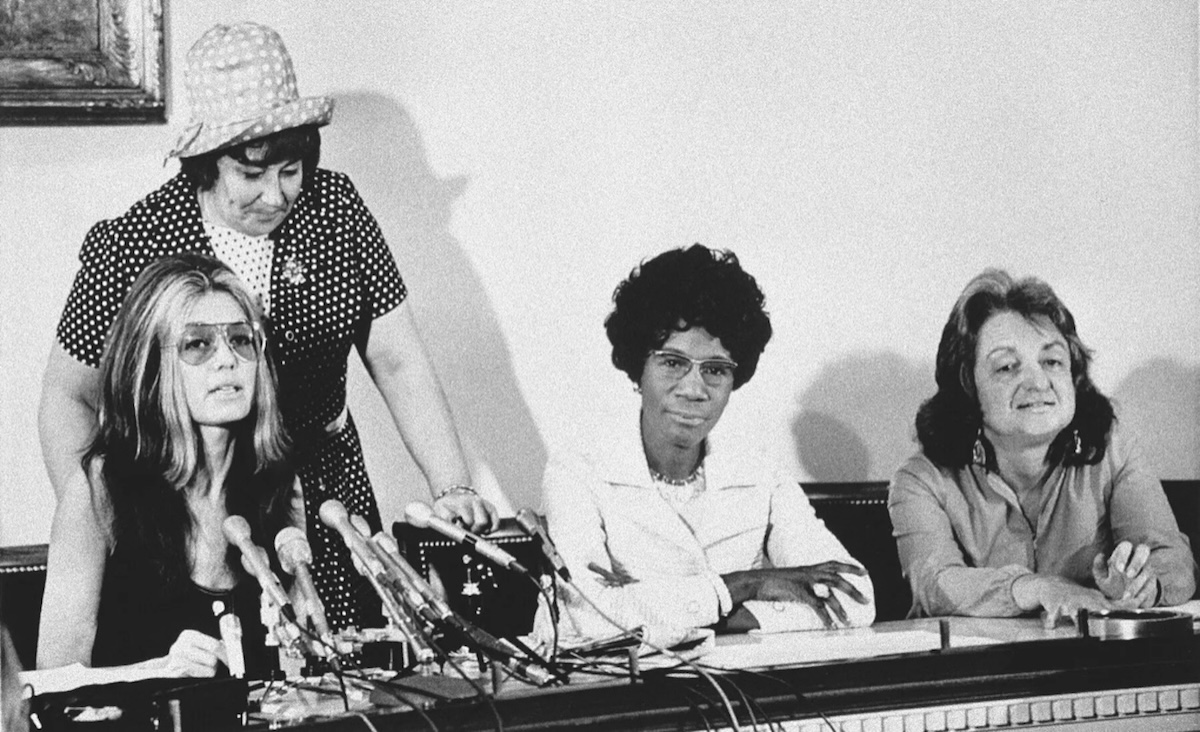

We are the glorias!
I posted this photo by Charles Gorry on Instagram last week, along with my thoughts and feelings about Gloria Steinem’s…
...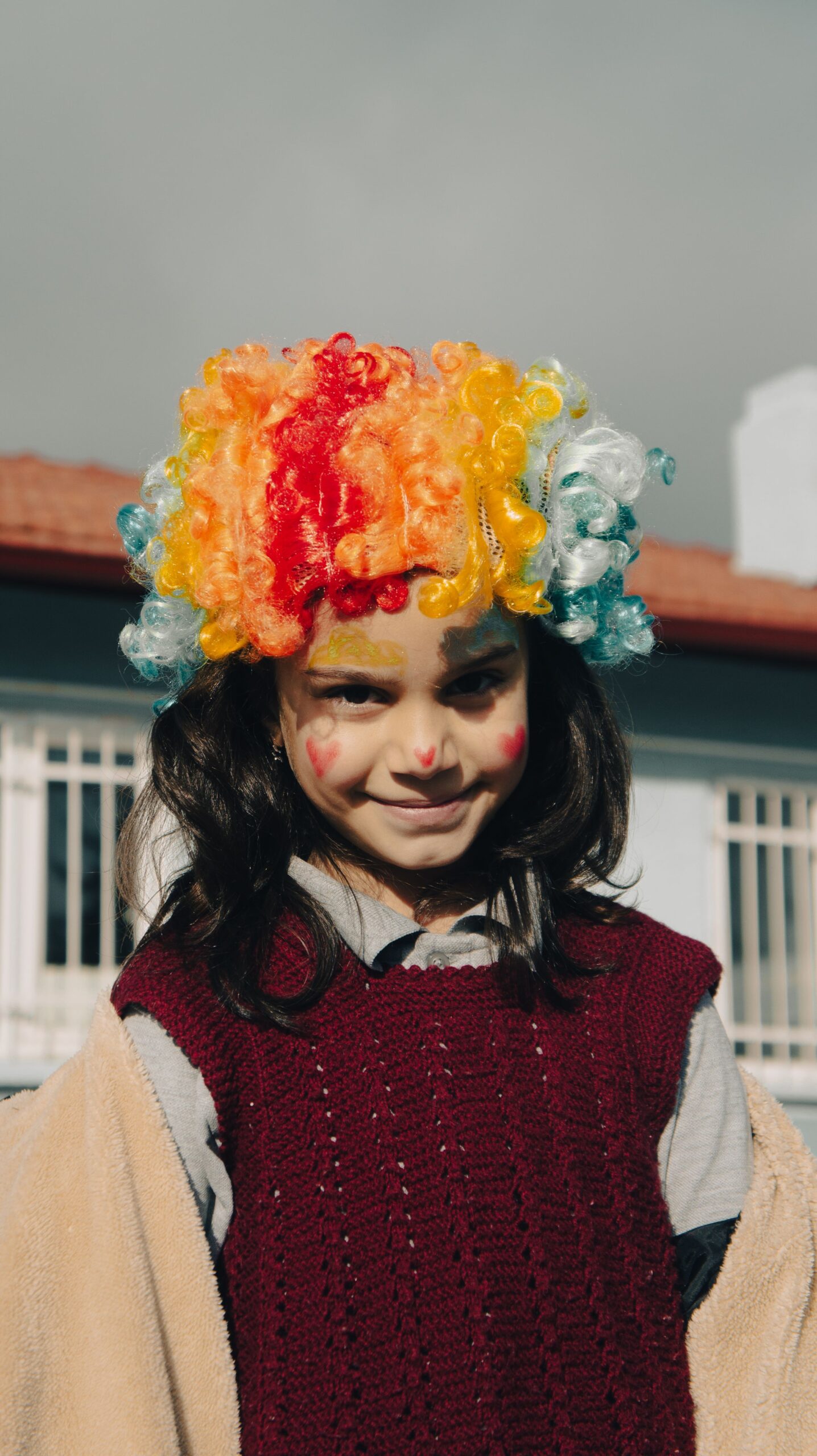
This blog is the next in a series on the addicted family system, and this time, we’re going to focus on the role of the mascot.
I remember talking to a member of my extended family who told me that when he misbehaved when he was a kid, his father would hit him. He and his younger brother used to do a lot of crazy things – together and separately – and they got in trouble a lot.Yet his younger brother never got hit.
So one day he finally asked his brother, how come dad never hit you?
And his younger brother, who was the mascot in the family, smiled and replied, “Because I could always make him laugh.”
Think about what a mascot does: At sporting events, they’re funny, playful, dressed up characters that entertain the crowd, especially when the team is losing. Similarly, in the addicted family system, the mascot child offers comic relief to deflect from the chaos and pain happening in the family.
Mascots make people laugh. They distract the other family members from conflict, by using humor, so they can turn down the dial on the tension. So a typical sentence that I might hear from a mascot is (like the Carly Simon lyric goes), “I haven’t got time for the pain.”
This role can start at a VERY young age
Many years ago, I was working with a family, and the eldest adult son brought his son with him, only because he couldn’t find anybody to babysit him. I gave the child some paper and crayons, and he sat in the middle of the room coloring while we were doing a follow up session to a prior meeting. It’s never my first choice to have a child that young in the room, but I agreed to let him be there because I didn’t anticipate any conflict at this particular meeting.
However, at one point, the little boy’s dad and grandmother started to get into it with each other. Their voices were rising, and they were clearly starting to get angry with each another.
As if on cue, this little boy jumped up off the ground, picked up the picture that he had been drawing, and frantically started trying to get his father and his grandmother’s attention. “Look, Daddy, look at my picture! Grandma, look! Isn’t it pretty? Did you see what I colored? Look, look!!!!”
This is classic mascot behavior. Stop the anger and conflict in the family by distracting them in the hopes that the conflict will die down.
I said to the family, “Do you all see what’s happening here? He’s three years old and he already feels responsibility to stop the fighting by calming everyone down?”
A young child isn’t supposed to be responsible for everyone else getting along, but that is what happens in addicted family systems. It was heartbreaking.
Another version of the mascot is to take on the role of a diplomat in the family. They will jump into the middle of a fight to attempt to negotiate a peace settlement in an effort to redirect attention away from the conflict and towards them, and therefore to feel safer in the system.
One typical dynamic that occurs in addicted family systems is the tension and conflict between the scapegoat and the parents or their primary caretakers. It’s not the mascots’ role to be the diplomat but they will often step in and defend the scapegoat to the parents or vice versa. They might appeal to the scapegoat to be nicer to everyone, and to behave “better.” On the flip side of that disagreement, they might try to convince the parents that their scapegoat sibling isn’t bad, they’re just struggling.
They make keeping the peace their own responsibility rather than the responsibility of the people in conflict. And so mascots also end up being parentified – or growing up before they’re supposed to – because they’re trying to navigate, negotiate, and dissipate conflict when it’s not their place to do so. That responsibility lies with the adults, but unfortunately, they’ve abdicated it.
Being able to sit in discomfort is a vital skill that we’re meant to develop as children. We learn to build tolerance to distress by being allowed to wrestle with challenges – appropriately, that is. When caretakers do things for children that they are capable of mastering, instead of allowing them to struggle with it, they rob the child of the necessary process of learning how to do things themselves.
Mascots don’t learn distress tolerance, because they feel responsible to manage everyone else’s distress. They are over focused on the energy in the family system, and therefore, can struggle with hyperactivity and hypervigilance.
As a result, they often have a hard time settling or calming down, and can deal with chronic anxiety, and tremendous insecurity.
Because their nervous system is so used to responding and being the clown, they often make a joke out of everything, which gets pretty tiring for the people around them, too. This is especially true in adulthood when someone in their life wants to have a serious conversation with them, or be kind to them – they struggle to stay present for it, without injecting humor.
I’ve seen this dynamic in my work more times than I can count, especially in groups. If someone pays a compliment or expresses some kind of intimacy towards a mascot, their typical response is to push it away with a joke. They struggle to tolerate the vulnerability of the moment or the sentiment.
That gets really tedious after a while. And so, sadly, sometimes people stop trying to connect to them in a deeper way.
The truth is, like all the other children in this family, a mascot child should be focused on being a child: School, friends, play, their favorite books; their favorite music, etc.
Like everybody else in the system, they’re living with fear and loneliness.
Clowning around or humor are a good thing, but there’s a manic kind of energy to the mascot’s behavior. They are overly focused outward, and often feel like the only way they can get attention, or have people like them is to make them laugh and to be the entertainer.
This child needs permission to let other people be responsible for themselves, rather than providing distraction.
They need to learn that it’s also okay to stop joking, to feel and express their anger, their sadness, their hurt, their confusion about what’s happening in their family. They need to be given a consistent clear message that they are loved for all of who they are, not just for what they can do. With time, they can learn that they are allowed to have others comfort them and allow others to take responsibility to sort out their own conflicts and problems on their own.
It might take their nervous system quite some time not to react when conflict does happen around them, and to trust that they don’t have to bring peace to a chaotic environment.
My invitation for this post is to think about if you been the mascot in your family, and if it is still showing up in other situations in your life. Are you somebody who goes to humor rather than being able to sit with discomfort or intimacy, or emotional pain?
And if you have been that person, what is the first step that you can take to not immediately make a joke, even in a serious or an intimate moment?
While your humor is great, the truth is that we want to see all of who you are.
This material is protected by copyright.
________________________________________________________________________________________________________________________
About Jean:
Jean Campbell, LCSW, SEP, TTP, TEP has been bringing together groups of people to heal for over 31 years. She blends her extensive experience in psychodrama, sociometry, group psychotherapy, somatic healing and trauma resolution to offer training for helping professionals, personalized intensives, clinical consultation, and leadership workshops. You can find her at theactioninstitute.com, on Instagram at @actioninstitute, and on Facebook at @actioninstituteofcalifornia.
I posted this photo by Charles Gorry on Instagram last week, along with my thoughts and feelings about Gloria Steinem’s…
...
As a follow up to my last post about chatbots, I’ve been thinking a lot about why they’re so popular,…
...