
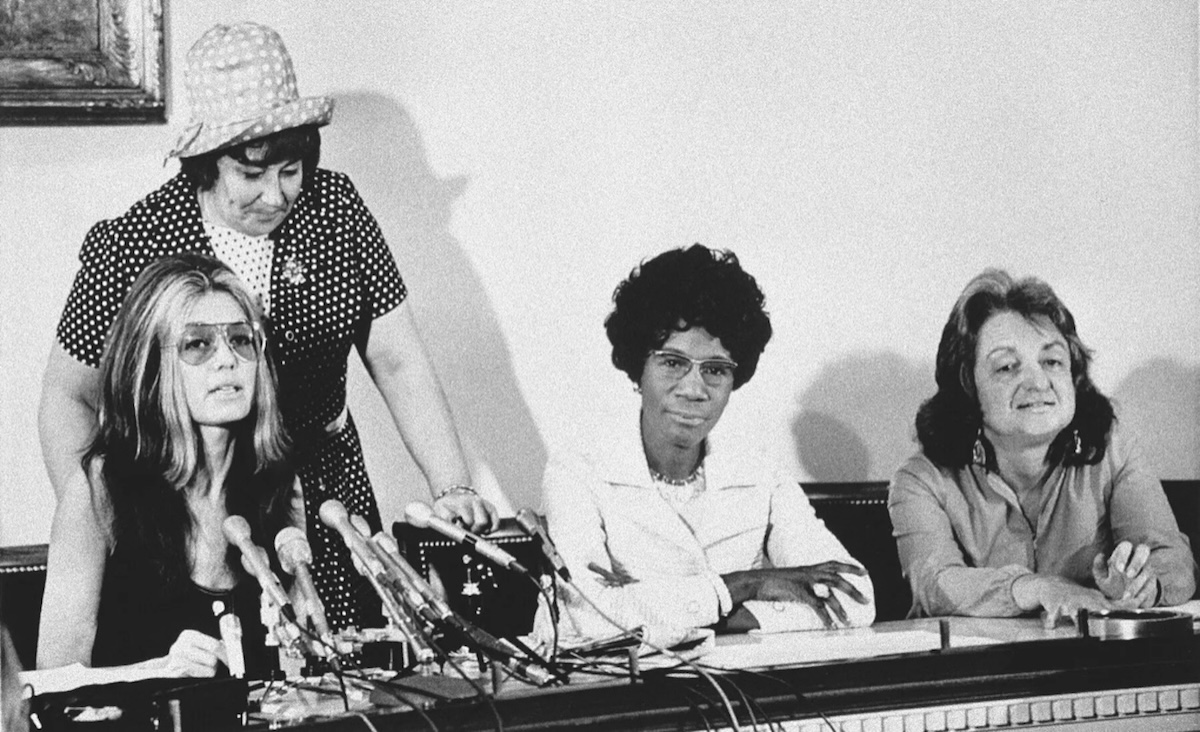

We are the glorias!
I posted this photo by Charles Gorry on Instagram last week, along with my thoughts and feelings about Gloria Steinem’s…
...
This blog is one in a series about the addicted family system, and this time, we’re going to focus on the role of the Lost Child.
The lost child in the addicted family system sounds just like its name. They’re lost in this family because they are typically neglected, abandoned, and forgotten. They’re also lost because they make themselves scarce in an effort to protect themselves.
If they’re not around when conflict and chaos arise, then they won’t be in harm’s way. This child flies under the radar. They hide in their room as much as possible, watching movies or TV, playing video games, reading books, listening to music.
The phrase you might hear from the lost child would be, “I’ll be in my room.”
They seek out anything outside of reality: Fantasy and creativity are a way to escape. This child doesn’t make trouble, and actually works hard to not get noticed at all. They avoid any attention – positive or negative.
The problem is that in order to gain a positive sense of ourselves, we first need to receive it from those outside of us – that’s just how development happens. But because the lost child isn’t engaging with most people around them, they don’t build that muscle of adequacy and they don’t get feedback to help them get a sense of who they truly are. As a result, they can constantly feel inferior to others.
Lost children are really sensitive, which is part of why they hide. If there’s too much noise or chaos or too much arguing in their home, it’s way too much for their system and so they disappear. They disappear into the world of pretend; they dissociate, and they go away.
They don’t have much of a social life and they really don’t know how to get along with a lot of other people, because they’re not used to having contact with people. They disappear into a world of their own, and don’t have a lot of friends. And because of that, and their tendency to turn their feelings inward, it negatively affects them in a variety of ways, including having a higher potential for depression, self-harm, drug use, eating disorders, and a higher potential for suicide.
They struggle to meet people, make friends, form lasting friendships, and have difficulty in relationships in general because they don’t have a lot of practice at it. They really struggle to deal with conflict – which is inevitable in any relationship – because they’ve thoroughly avoided it. They also have a higher tolerance for abusive behavior in relationships, which can be somewhat attributed to the fact that they don’t know what a healthy relationship looks like, having grown up with dysfunction.
According to studies reported by the American Psychological Association, individuals who have grown up with parents abusing alcohol may be up to 85% more likely to attempt suicide than those from non-alcoholic households. Now, this 85% is across the board with all kids in the family, but in my experience, lost children are even more susceptible to it. They also, as I’ve mentioned, have a higher tendency to develop things like mental illness issues, eating disorders and addiction.
Every child needs something, but lost children quickly learn that need is not an option for them. They are neglected because they appear to not need, which results in a vicious cycle of them withdrawing and taking care of everything themselves, which means they are further neglected. So they learn to be completely self-reliant, and not ask for anything, which results in them continuing to be neglected…and so on, and so on.
One of the few people in the family that might notice them – and that the lost child might feel safe enough with to receive help from – is the hero child. The hero looks out for them and takes care of them, but the reality is that the hero is distracted by the other children in the family, and their own schoolwork, extracurricular activities, and taking care of the household. So even with the hero’s attention, the lost child typically retreats.
On the flip side, lost children are typically very creative. They write stories or make music, taking photos, create fine art, etc. They drop into their creativity because it’s a distraction from the reality of what’s going on, and it gives them somewhere to direct their feelings.
Creativity can be a lifeline for them – and it might literally be a lifesaver for them – but it doesn’t diminish the negative long-term effects of how they’ve been raised. This child is forgotten, and it struck me when I was writing this post, that it’s shorter than the posts I’ve done about all the other roles in the family system so far, which was pretty startling, but not surprising, to me. Mostly, I felt sad when I realized it.
My invitation for this post is to check in and ask yourself if you were the lost child in your family system. Were you the kid that retreated to your room to feel safe? Were you seemingly fine but struggling with loneliness and neglect?
If you were, how are your relationships today? How well do you deal with conflict? Do you engage in it to work through it or do you avoid it at all costs?
And if you’re still struggling from being a lost child, are you willing to seek out counseling or therapy, or go to Al-Anon or Nar-Anon or CODA meetings to start on your own path of healing?
You deserve to live a happy life surrounded by love and satisfying relationships, and if you can’t believe that as you read that sentence, then I’ll hold onto the belief for you, until you can.
This material is protected by copyright.
_______________________________________________________________________________________________________________________________________
About Jean:
Jean Campbell, LCSW, SEP, TTP, TEP has been bringing together groups of people to heal for over 31 years. She blends her extensive experience in psychodrama, sociometry, group psychotherapy, somatic healing and trauma resolution to offer training for helping professionals, personalized intensives, clinical consultation, and leadership workshops. You can find her at theactioninstitute.com, on Instagram at @actioninstitute, and on Facebook at @actioninstituteofcalifornia.
I posted this photo by Charles Gorry on Instagram last week, along with my thoughts and feelings about Gloria Steinem’s…
...
As a follow up to my last post about chatbots, I’ve been thinking a lot about why they’re so popular,…
...